
Why aspirational luxury shopping is losing steam — and what’s ahead in 2026
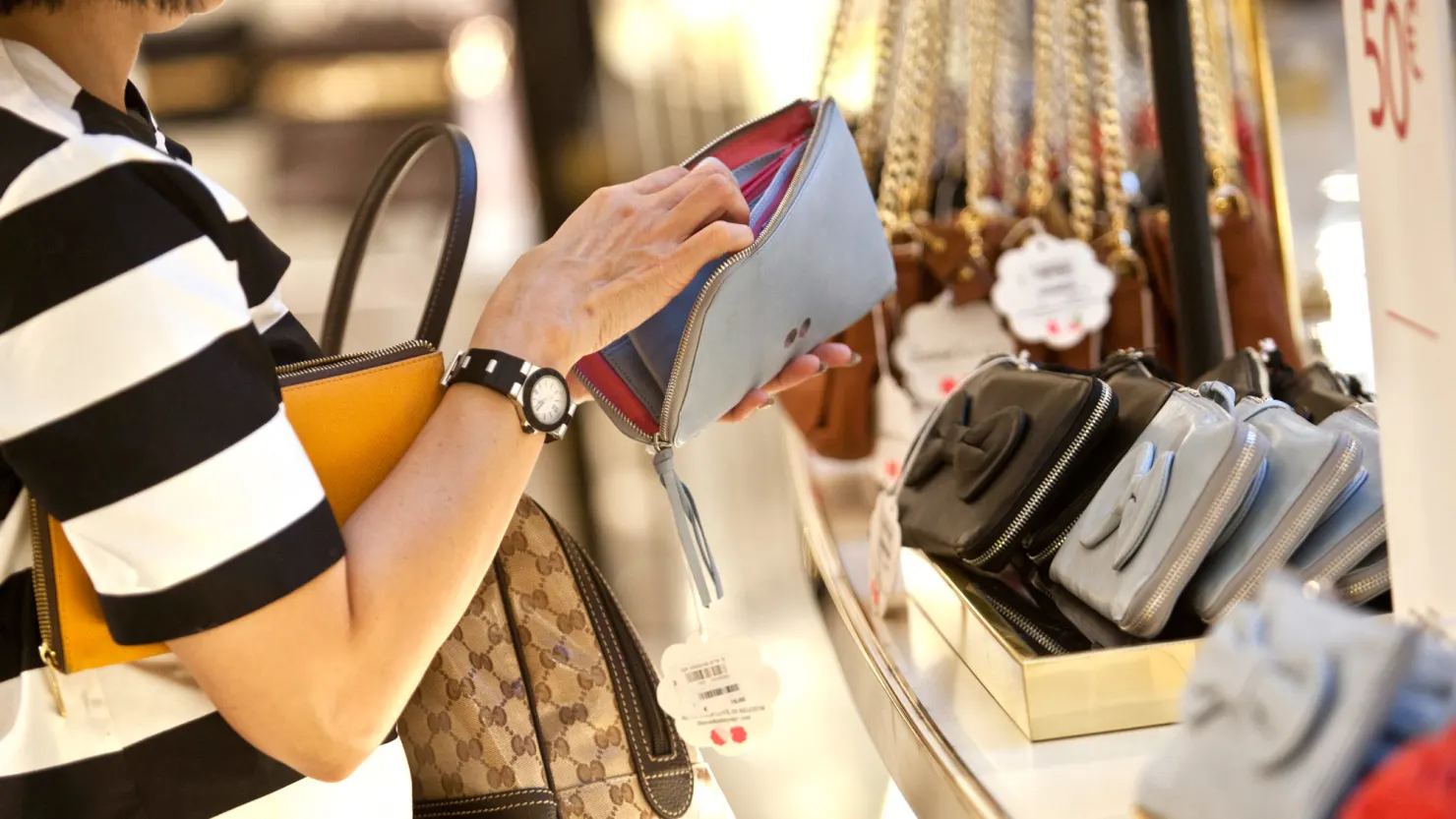
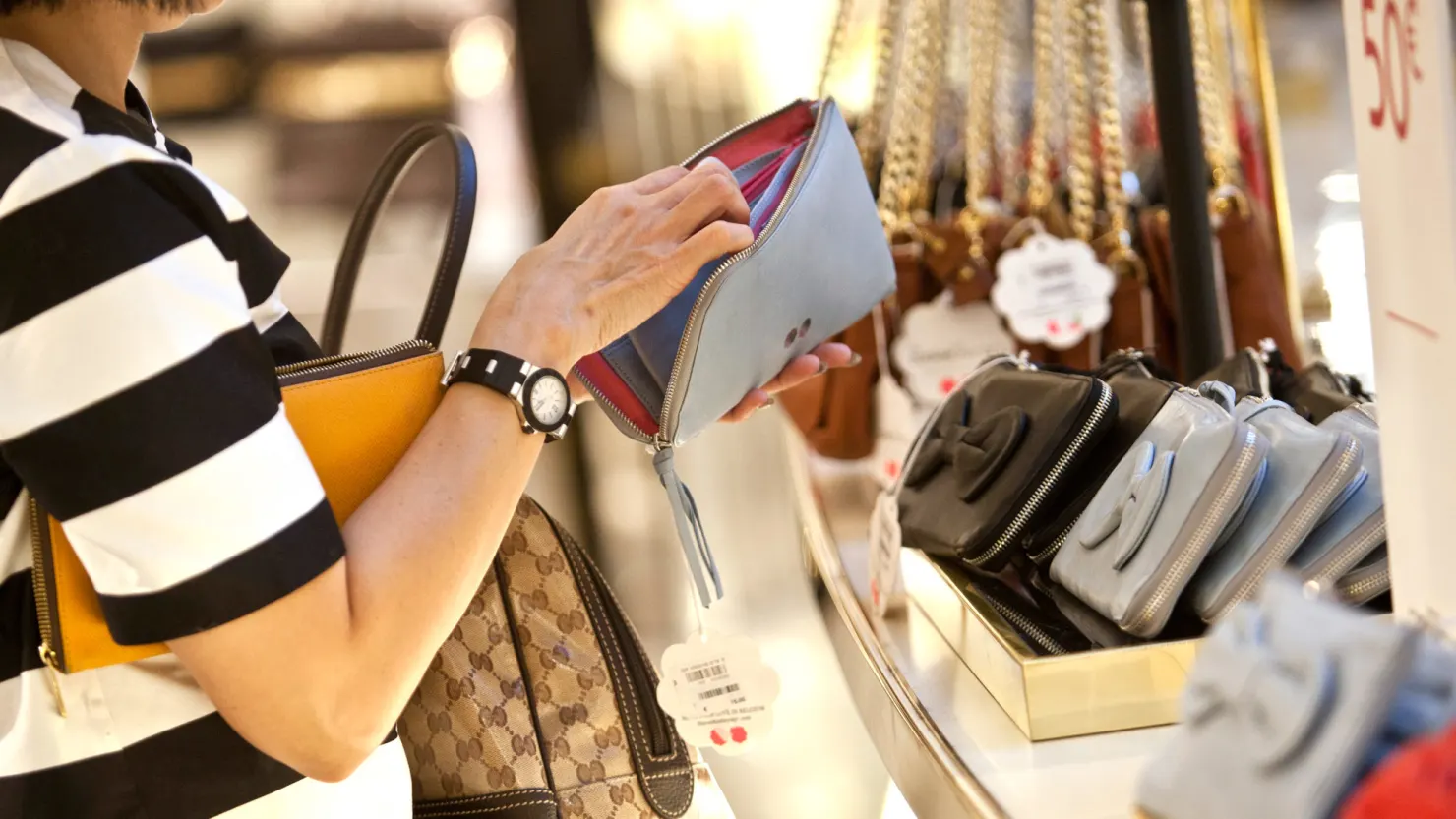
A customer looks at discounted hand bags and purses for sale in the Galeries Lafayette SA luxury department store in Paris.
After two years of stagnation, analysts are turning optimistic about the luxury sector’s prospects for 2026, forecasting a return to growth driven by stabilizing Chinese demand and product innovation. However, the recovery is expected to be highly uneven, with performance diverging sharply between ultra-luxury segments and more accessible “aspirational” categories.
J.P. Morgan predicts the sector will stabilize next year, with organic sales growth of around 5% across coverage, enough to ease margin pressures. UBS echoes this cautiously hopeful outlook, noting that the worst may be over. Yet both emphasize that stock-picking will be critical, as consumer segments recover at different speeds.
The "Polarized" Luxury Landscape
The divide is clear: high-end jewelry and watches—so-called “hard luxury”—continue to perform well, buoyed by affluent shoppers insulated from economic volatility. In contrast, “soft luxury” categories like handbags, leather goods, and apparel are struggling as aspirational buyers pull back.
“The aspirational luxury buyer has virtually disappeared,” said Michael Zakkour of 5 New Digital. “The middle has fallen off, and the bottom is falling out.” This polarization means brands like Richemont (owner of Cartier and Van Cleef) are favored, while those reliant on middle-tier consumers face headwinds.
Brand Standouts and Turnaround Stories
Analysts highlight Richemont, Moncler, Ferragamo, LVMH, and Prada as top picks for 2026. However, opinions split on Burberry. UBS sees it as “a key turnaround story” with a buy rating, but J.P. Morgan recently downgraded the stock, warning that consensus expectations are too optimistic and execution risks are rising now that easier fixes have been made.
Lingering Risks: Wealth Effect and China Uncertainty
The recovery remains fragile. In the U.S., demand has been supported by the wealth effect from strong equity and property markets, but a market correction could quickly reverse sentiment. Meanwhile, China’s nascent recovery is viewed as tentative. “It is early to call it a turnaround and a complete inflection,” cautioned J.P. Morgan’s Chiara Battistini, noting macro pressures could make the rebound bumpy.
Looking ahead, brands are focusing on product innovation to combat “consumer fatigue”—a weariness from post-pandemic price hikes without perceived quality improvements. This could reignite competition and help re-engage hesitant shoppers.
For investors, 2026 will be a year of selective opportunity in luxury, where brand strength and customer tier exposure will determine winners in a still-fragmented rebound.
Recent
News




Newsletter
Subscribe to our mailing list to get the new updates!

Subscribe our newsletter to stay updated
Most
Reviews
Economy
Markets

Finance

- Mon, 26 Jan 2026
Why Trump’s geopolitical tariffs tend to end in Taco
Business

Business

- Thu, 15 Jan 2026